Professional Clay Roofing Solutions: Sturdy, Stylish, and Affordable Alternatives for Your Home
Tile roof alternatives represent a practical selection for homeowners desiring resilience and style. Featuring a range of components and configurations accessible, these installations can upgrade any dwelling while ensuring extended defense. Their minimal maintenance demands additionally make them a financially sound allocation. Yet, grasping the various selections and benefits can be essential in formulating an educated decision. What should homeowners reflect on when exploring these roof alternatives?
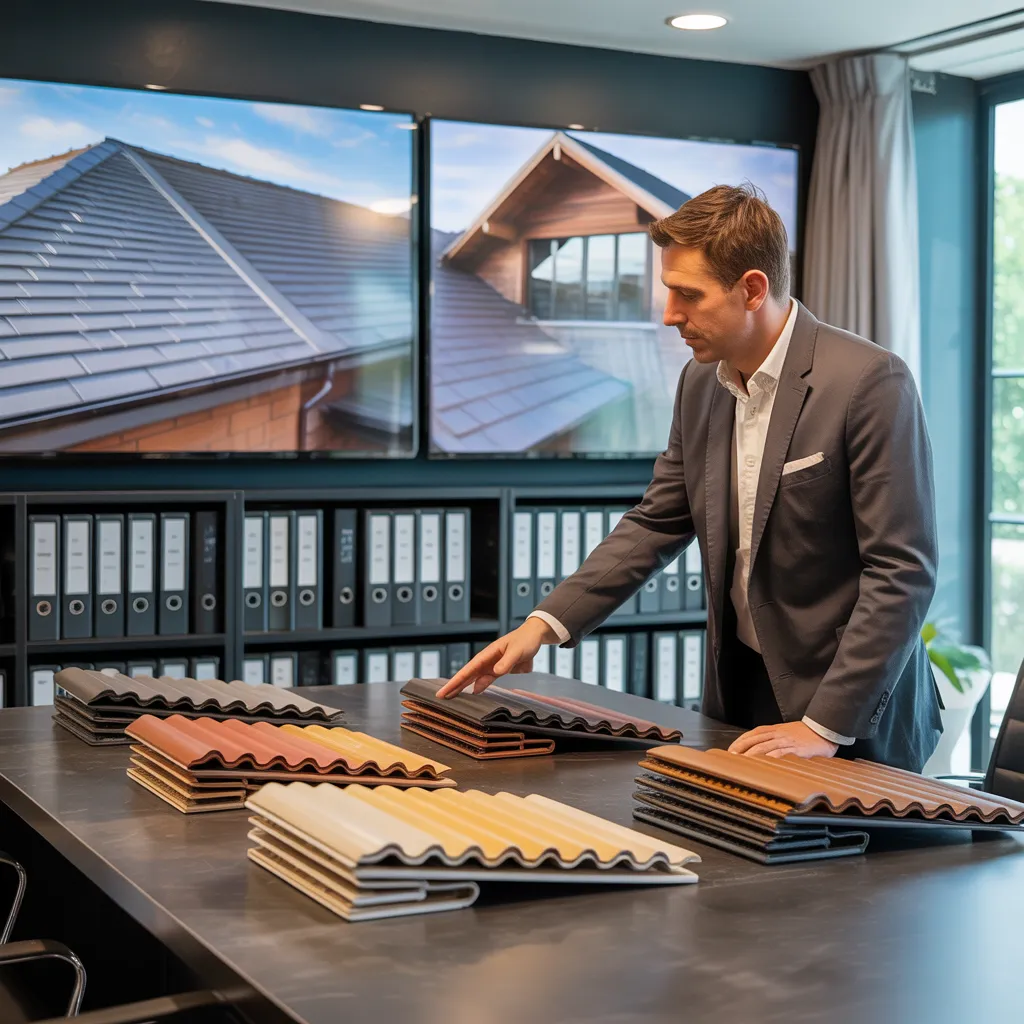
Comprehending the Rewards of Tile Roofs
Although various roofing choices are available, tile roofing distinguishes itself due to its durability and aesthetic appeal. This type of roofing can endure severe weather, including heavy rain, high winds, and extreme temperatures, making it an excellent selection for different regions. Tile roofs also provide a extended life, often going beyond 50 years with minimal maintenance, which contributes to their value over time.
Beyond their practical benefits, tile roofs improve a home's visual charm. Available in a range of colors, shapes, and designs, they can complement various architectural styles, boosting property value and curb appeal. Additionally, tile roofs is resistant to fire and energy-saving, helping to regulate indoor temperatures and lower cooling and heating expenses. In summary, tile roofing merges longevity, functionality, and beauty, making it a favored choice for property owners looking for a reliable and stylish roof option.|Besides their functional benefits, tile roofs improve a home's aesthetic appeal. Offered in a range of colors, shapes, and designs, they can match different architectural styles, increasing property value and curb appeal. Furthermore, tile roofs is fire-resistant and energy-saving, helping to regulate indoor temperatures and lower heating and cooling costs. Overall, tile roofs combines longevity, functionality, and beauty, rendering it a preferred choice for homeowners seeking a reliable and stylish roofing solution.|Beyond their practical benefits, tile roofs improve a home's aesthetic appeal. Offered in a variety of colors, shapes, and designs, they can complement various architectural styles, boosting curb appeal and property value. Furthermore, tile roofs is fire-resistant and energy-saving, helping to regulate indoor temperatures and reduce heating and cooling costs. In summary, tile roofing combines longevity, functionality, and beauty, rendering it a favored option for property owners looking for a reliable and stylish roofing solution.|Besides their functional advantages, tile roofs enhance a home's visual charm. Available in a range of colors, shapes, and designs, they can complement different architectural styles, boosting curb appeal and property value. Furthermore, tile roofs is resistant to fire and energy-efficient, helping to controlling interior temperature and reduce cooling and heating expenses. In summary, tile roofing combines durability, performance, and aesthetic appeal, making it a favored choice for homeowners seeking a reliable and stylish roof option.
Studying Different Types of Tile Materials
When evaluating tile roofing, it is critical to investigate the different materials available, as each provides unique advantages and characteristics. Clay tiles, known for their strength and traditional aesthetic, are protected against fire and insects, making them a preferred choice in warmer climates. Concrete tiles, however, deliver a versatile and more affordable alternative, obtainable in numerous colors and styles while also mimicking the appearance of other materials. Slate tiles are valued for their natural beauty and longevity, often lasting over a century, though they need a robust structural support due to their weight. Furthermore, synthetic tiles, made from rubber or plastic, present lightweight options that imitate the look of traditional materials while providing increased resistance to weathering. In the end, selecting the matching information right tile material depends on specific architectural styles, climate considerations, and individual preferences, ensuring a blend of functionality and aesthetics.
Affordable Tile Roofing Options
Tile roofing can be a budget-friendly choice for homeowners looking to improve their property's aesthetic while managing expenses. Various budget-friendly tile materials are available, such as concrete, clay, and asphalt-based tiles, which provide durability without breaking the bank. Concrete tiles, for instance, are often more affordable than clay and can mimic the look of traditional tile roofing while providing excellent longevity and protection to harsh weather conditions.
Furthermore, asphalt tiles, which are typically the most affordable option, can also be created to mimic traditional tile roofing. Homeowners should evaluate the long-term savings linked to energy efficiency and minimal maintenance requirements when selecting cost-effective options. By exploring these alternatives, they can achieve a stylish roof that enhances their home while remaining inside their financial constraints. Overall, there are viable tile roofing solutions that balance cost, performance, and visual appeal.
Enhancing Aesthetic Attractiveness With Tile Designs
When selecting the perfect roof solution, homeowners frequently disregard the considerable effect that tile aesthetics can affect a home's visual appeal. Tile roofs present a broad selection of tones, designs, and surfaces that can enhance diverse building designs, ranging from Mediterranean to modern. The distinctive shapes of tiles, like flat, curved, or interlocking styles, offer opportunities for creative expression, enabling owners to add personal touches to their residences.
Furthermore, the color scheme of tiles can complement or stand out with the outside painting and landscape design, creating a cohesive and attractive look. Homeowners may opt for traditional earthy tones or vibrant hues to make a statement. Apart from aesthetic considerations, the surface quality of tile roofs can add depth to a home's appearance. Ultimately, choosing stylish tile designs not only improves the visual worth of a home but can also increase its market appeal, rendering it more attractive to prospective purchasers.
Care Suggestions for Extended Life Tile Roofs
Keeping the appearance of tile roofs is equally vital as choosing them initially, because proper maintenance secures their durability and performance. It is recommended to carry out inspections at least twice a year to spot any problems like damaged or loose tiles. Quickly resolving these issues prevents additional damage and extends the roof's lifespan.
Cleaning is essential; accumulation of debris and dirt can cause water damage and mold proliferation. Professionals suggest applying a gentle pressure washer to remove dirt and moss without harming the tiles. Additionally, householders should confirm that gutters and downspouts are clear to facilitate adequate water drainage.
Applying a protective sealant every few years can also optimize durability and color fading resistance. Finally, hiring a qualified roofing technician for corrective work or maintenance warrants that work is done correctly, keeping the roof's integrity and visual quality. Following these tips will help copyright the beauty and effectiveness of tile roofs for years to come.
Questions That Are Often Asked
How long does a tile roofing system typically last?
A tile roof can last between 50 to 100 years, contingent upon materials, installation quality, and maintenance. Its long lifespan makes it a common preference among homeowners pursuing durability and aesthetic appeal in roofing solutions.
Is Tile Roofing Able of Withstanding Extreme Weather Conditions?
Tile roofing is able to resist extreme weather conditions, including high winds, heavy rain, and hail. Its robustness and durability make it a solid choice for homeowners seeking protection against severe elements while maintaining aesthetic appeal.
Can Tile Roofing Work with Every Home Style Aesthetic?
Tile roofing works nicely alongside many home designs, particularly Mediterranean, Spanish, and contemporary architecture. Its versatility permits integration with various architectural designs, boosting visual appearance while delivering weather resistance and durability.
What Steps Are Involved in the Installation Method for Tile Roofs?
Implementing tile roofs involves preparing the roof base, installing underlayment, placing tiles starting from the bottom, fastening them with nails or clips, and guaranteeing sufficient ventilation and drainage for long-term durability and operational success.
Do any tax incentives apply for adding tile roofing?
Yes, there are potential tax incentives available for installing tile roofing. Homeowners may be eligible for energy efficiency tax credits or local rebates, encouraging eco-friendly construction methods while reducing installation costs through public funding and monetary aid initiatives.